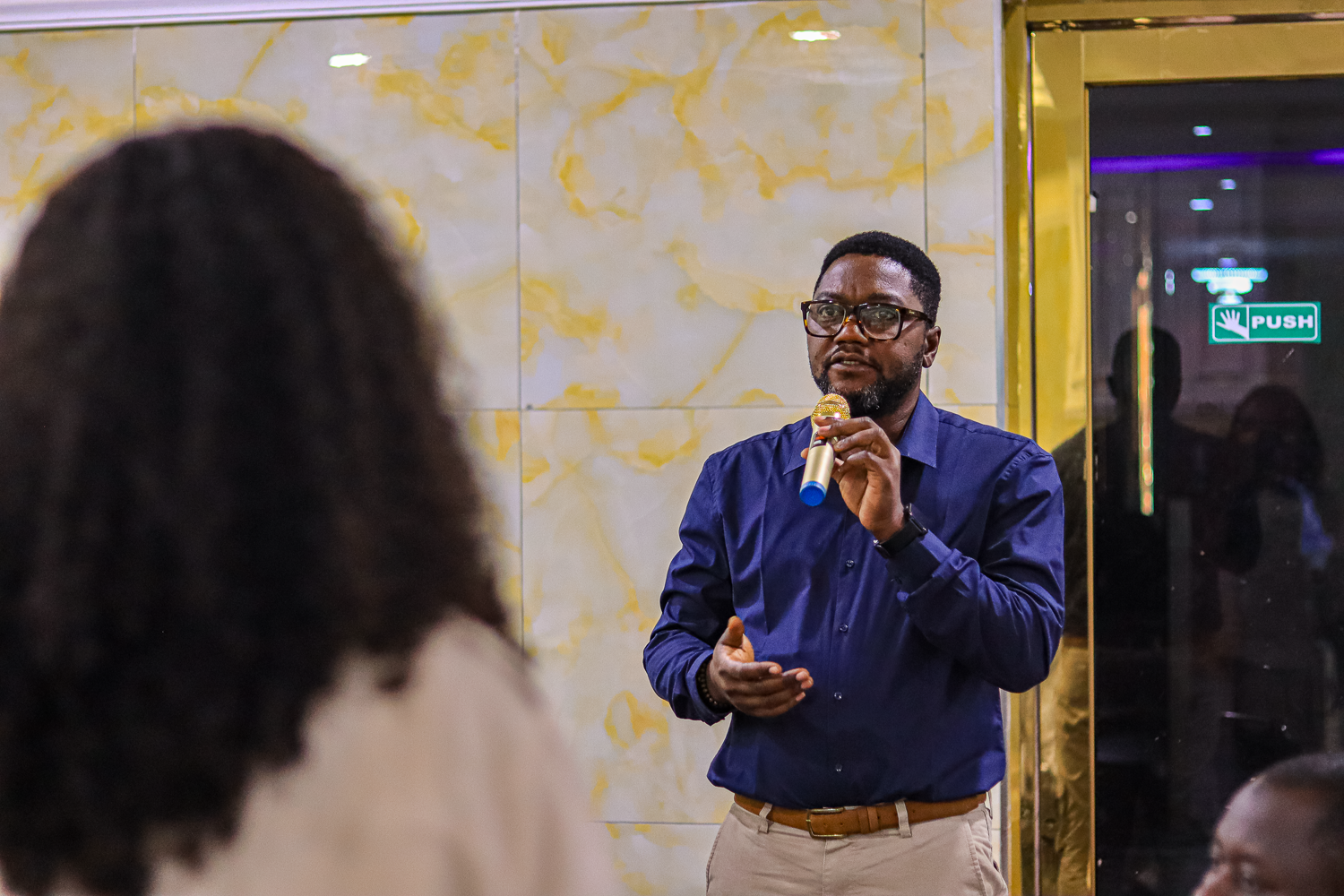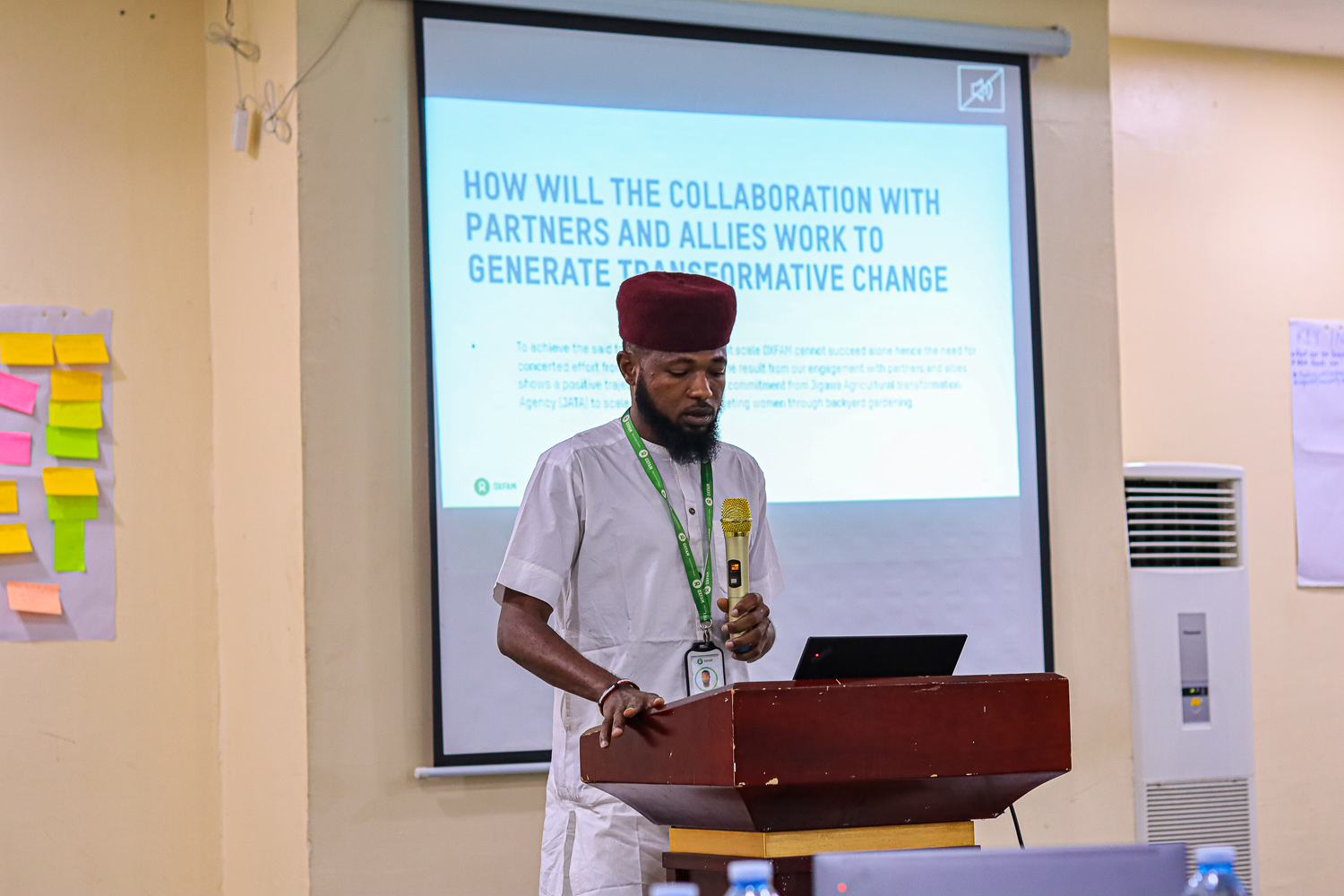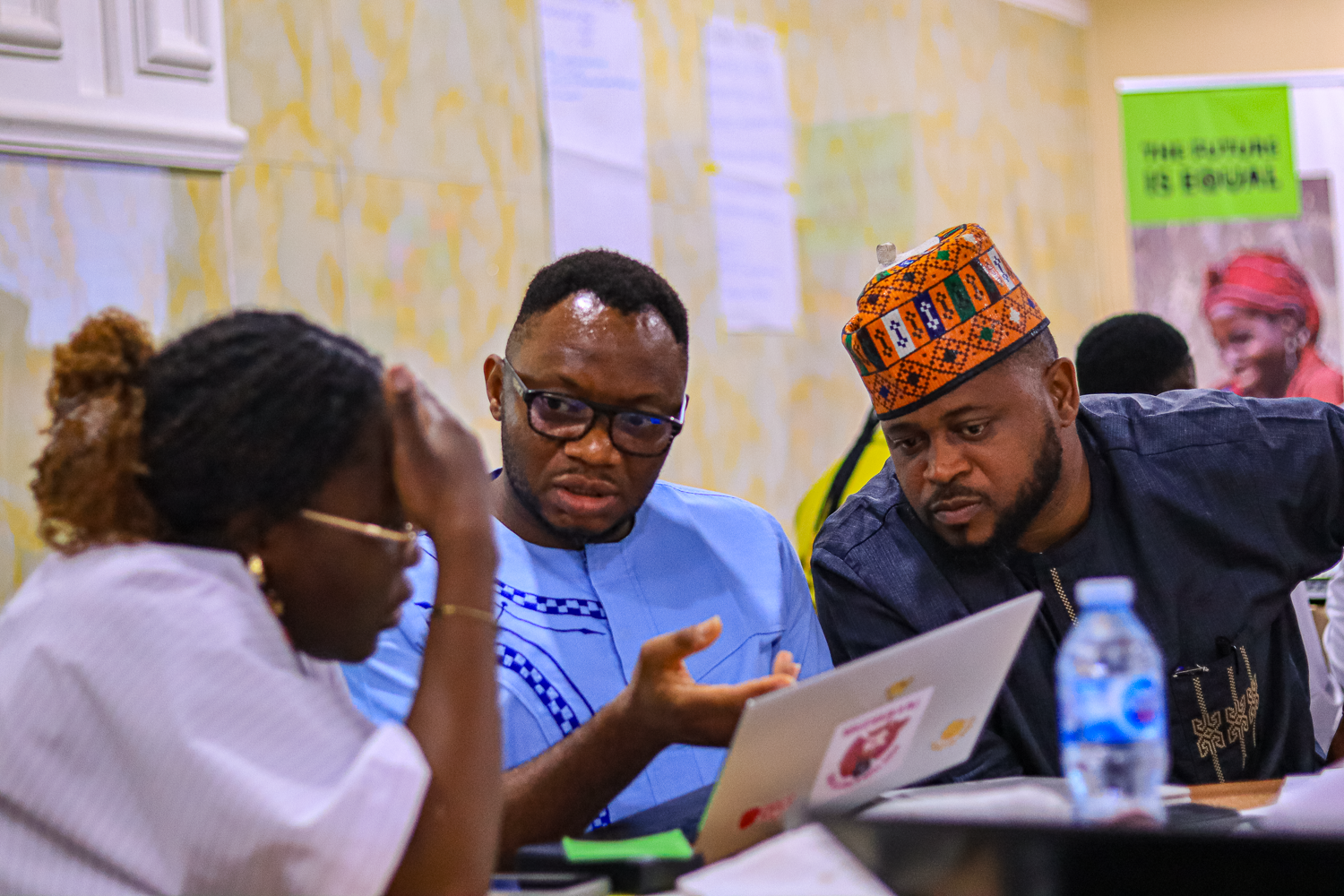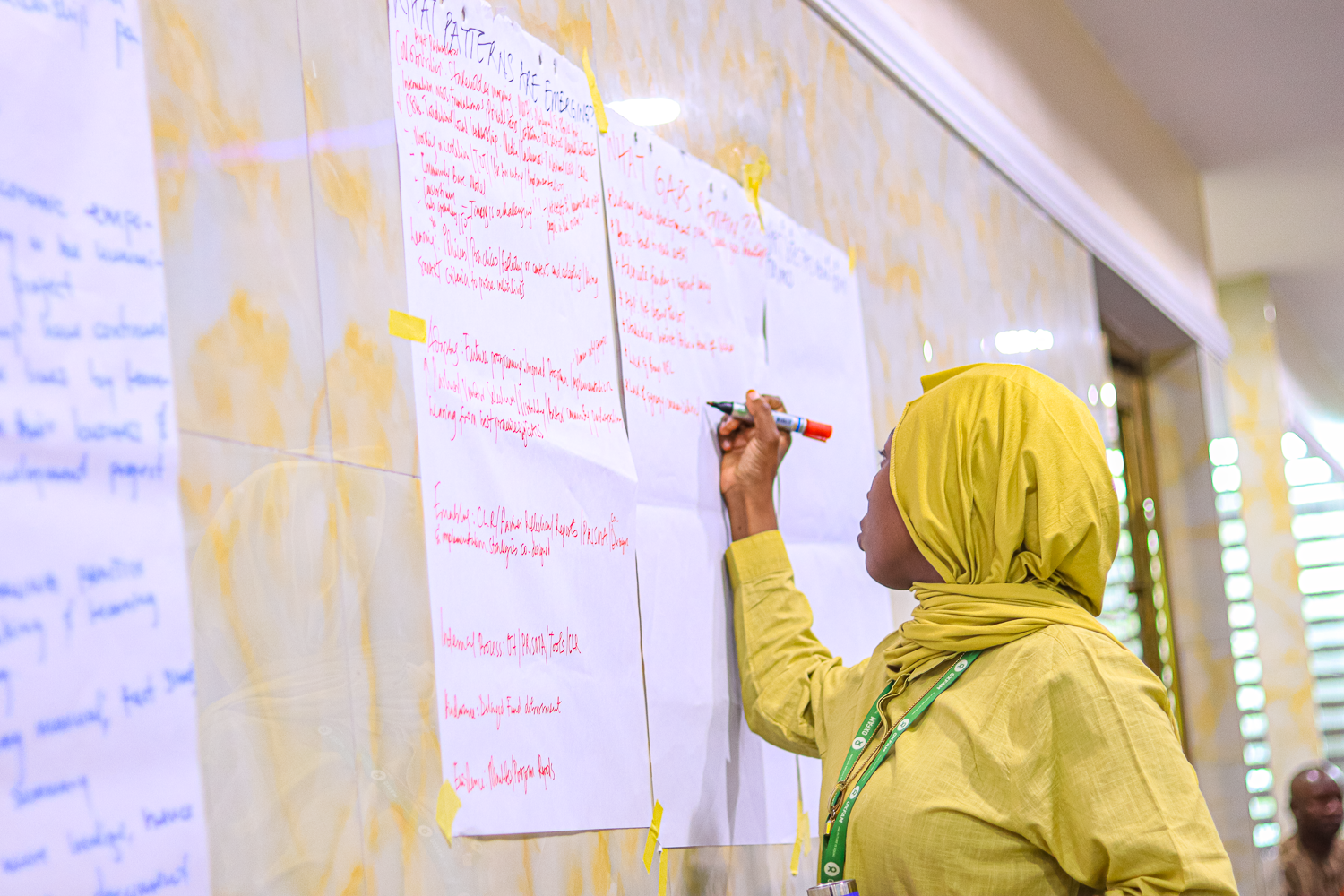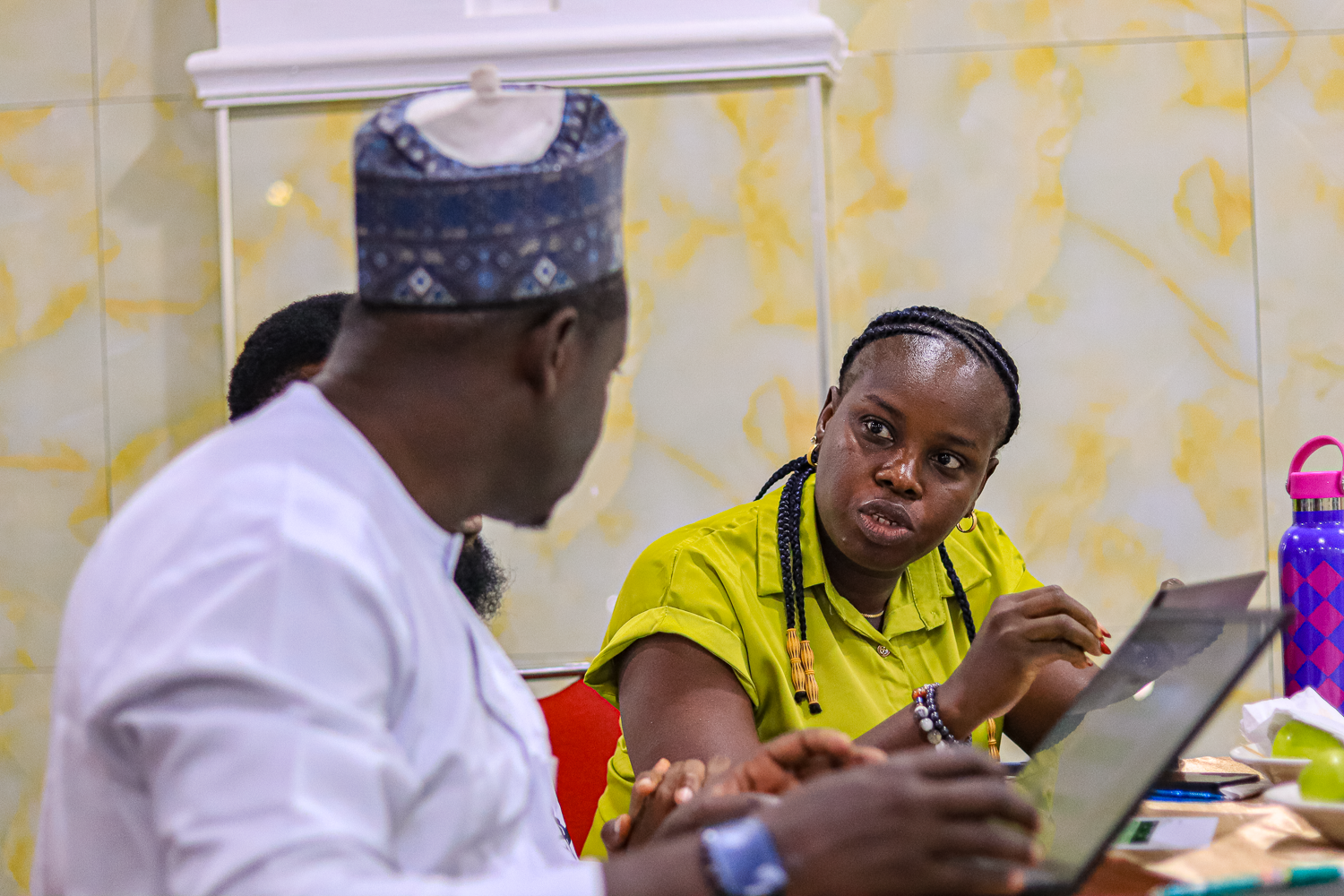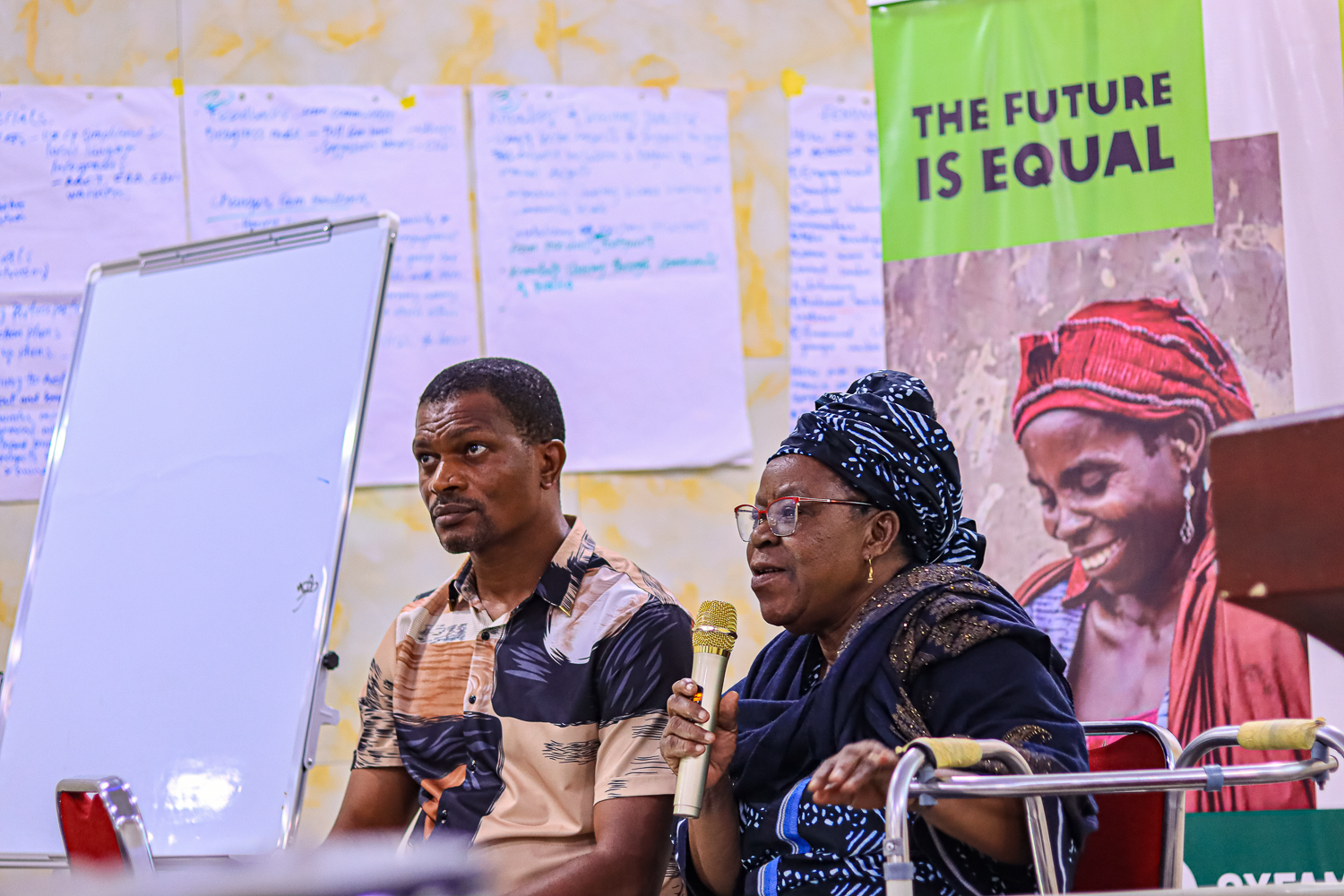

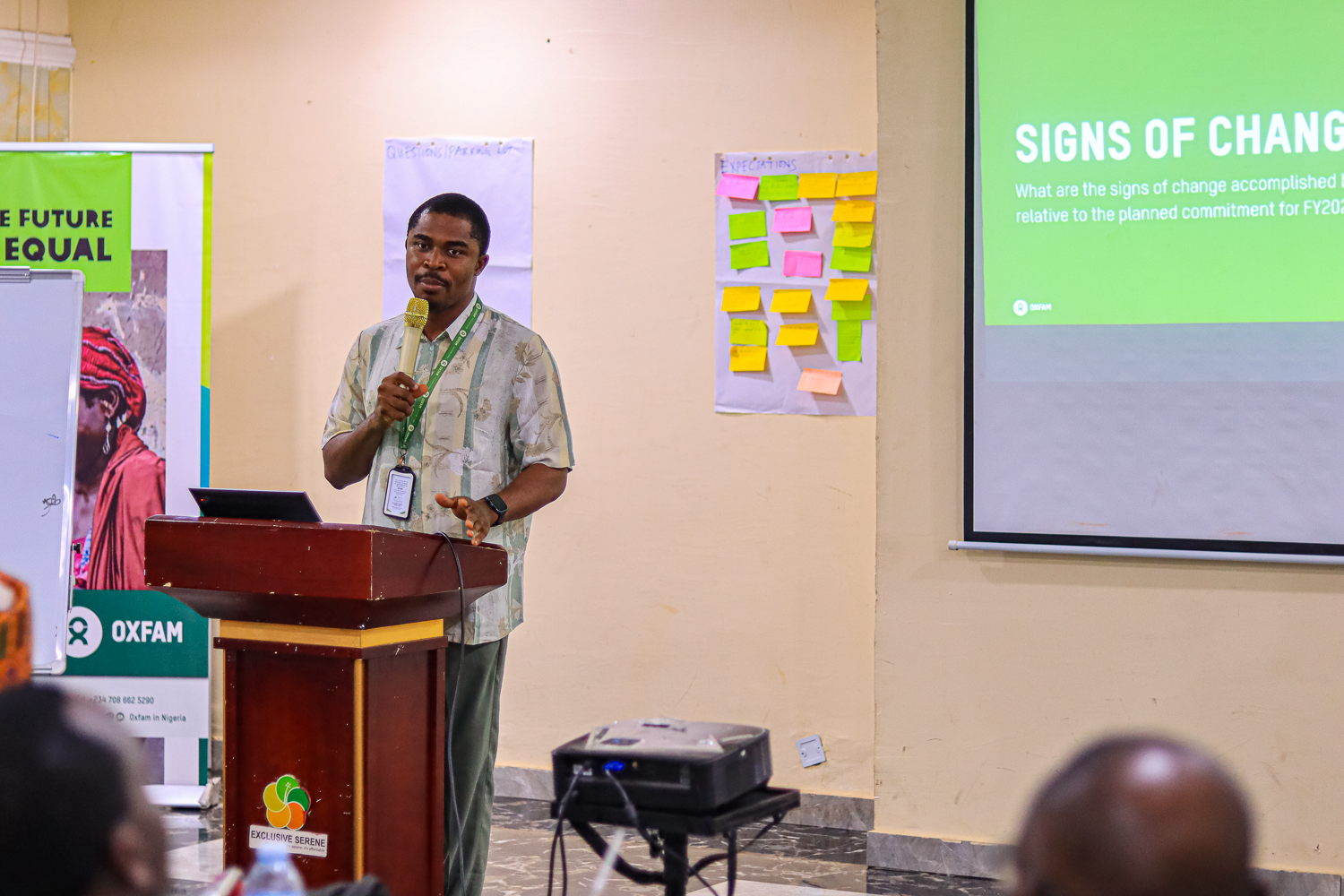
Oxfam Country Director Hamza Ahmed Tijani speaks passionately into a microphone while gesturing with his hand during his presentation on 'CONTEXT CHECK-IN: SIGNALS, SHIFTS & SURPRISES'. Photo: Maxwell Osarenkhoe/Oxfam
Progress is rarely a straight line. In the complex landscape of development and humanitarian work, creating lasting systems change requires more than just good intentions. It demands rigorous self-reflection, radical candor, and a relentless commitment to organizational learning.
Recently, Oxfam in Nigeria (OiN) concluded its three-day Country Learning Review (CLR). This annual gathering brings teams together to unpack the organization's work across its core pillars: Just Economy, Gender Justice, Humanitarian Response, and Accountable Governance. The objective was clear: leadership and staff needed to look beyond the surface of project reports and delve into the how and why of their impact.
Celebrating Milestones and Embracing the Pivot
It is easy for organizations to highlight their successes while quietly brushing difficulties under the rug. Oxfam, however, chooses a different route, recognizing that institutional challenges are often the greatest instructors. During the CLR, the organization dedicated significant time to examining the external and internal factors that influenced setbacks.
Teams asked critical questions about their methodologies: Are they collaborating with the right partners at the right time? How has adding a gender justice lens made their work more transformative? What practices must be adapted or stopped altogether?
By identifying these friction points, Oxfam does not highlight defeat. Instead, they uncover the exact coordinates where innovation is required. This level of transparency builds trust with partners and ensures programming remains agile and deeply relevant to the communities served.
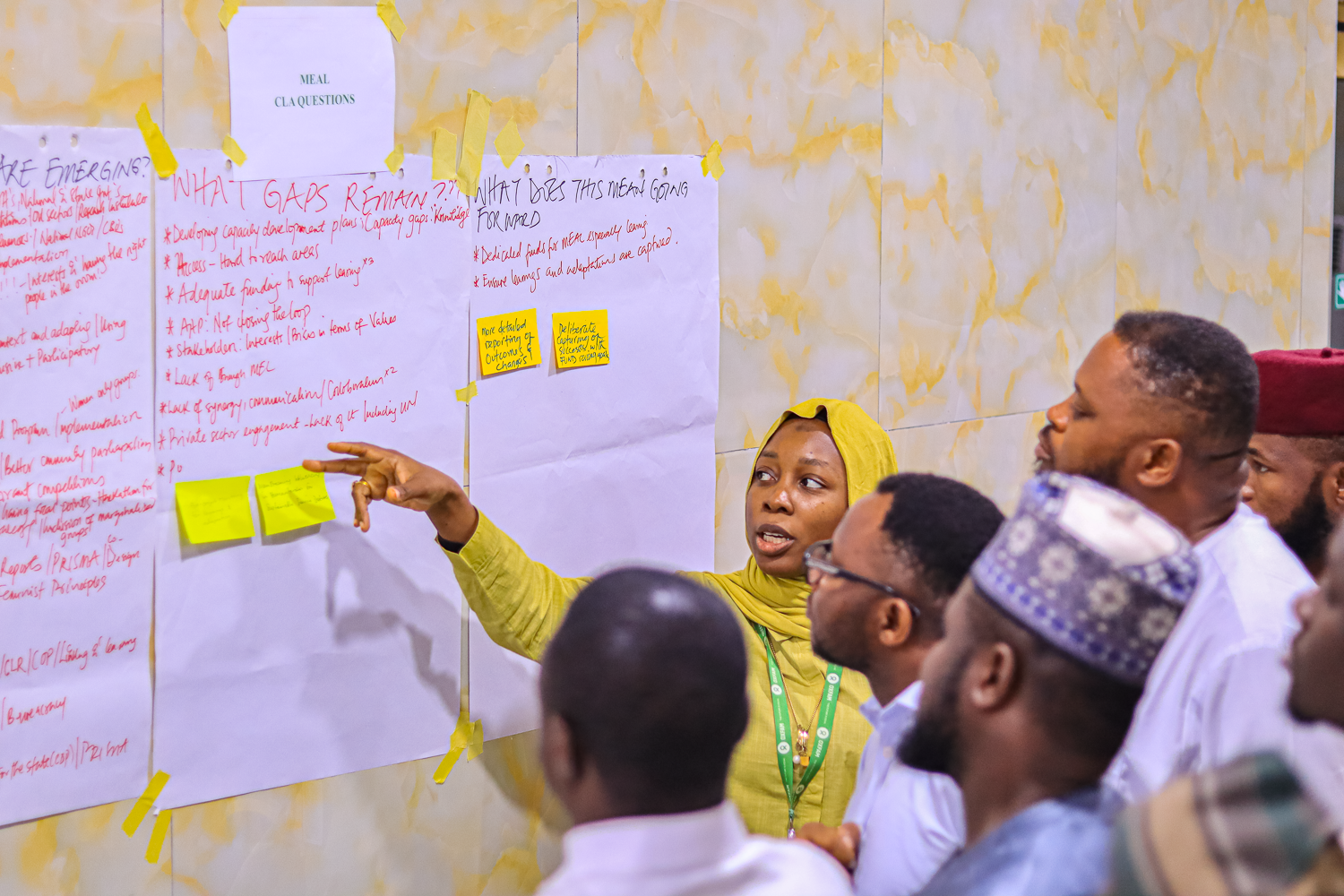

A female presenter holds a microphone and points to a flipchart
titled 'FEMINIST APPROACH' to break down gender-transformative strategies.
Photo: Maxwell Osarenkhoe/Oxfam
Data-Driven Alignment and Future Focus
A key component of the review was ensuring that Programme Quality Standards and operational compliance are fully integrated into the learning cycle. Oxfam utilized real-time feedback mechanisms to gauge staff alignment and confidence while charting the course for the upcoming fiscal year.
The resulting data provided a clear roadmap for the immediate future. Teams identified an urgent need to eliminate siloed working environments. Moving forward, a top priority for Oxfam in Nigeria is bridging the gaps between thematic pillars to foster robust, cross-functional collaboration. Furthermore, there was a resounding consensus to deepen gender-transformative approaches, specifically by securing dedicated budgeting and adaptation strategies for tools like the Gender Action Learning System (GALS).
The organization also measured internal readiness for the year ahead. With an outstanding 4.5 out of 5 staff confidence rating in navigating finance and security compliance, and strong alignment on Programme Quality Standards, Oxfam's operational foundation remains exceptionally solid.

A large group photo of the Oxfam in Nigeria team and partners smiling together in a conference hall after successfully concluding the Country Learning Review. Photo Credit: Maxwell Osarenkhoe/Oxfam
Looking Ahead
The 2026 CLR proved that when an organization creates a safe environment for collaborative learning, the results are deeply transformative. Participants described the experience as "empowering," "mind-blowing," and "enlightening." Oxfam in Nigeria is stepping into the new programming year with a sharpened focus, a refined set of priority learning questions, and a collective determination to push the boundaries of what is possible.
The work of reducing inequality and expanding civic space is challenging, but the capacity to learn and adapt ensures continuous forward momentum.